
When a city's heating system becomes a matter of wartime survival, sharing knowledge across borders stops being a nice idea and becomes a necessity. That's the spirit behind the latest exchange between Mannheim, Germany, and its Ukrainian partner city Chernivtsi, held under the Partnership Programme of SUN4Ukraine. Over several intensive days, mayors, vice mayors, climate officials, urban planners, and energy specialists from both cities sat down together, toured active project sites, and traded hard-won lessons on one shared mission: building sustainable, resilient energy and heat systems that can withstand the pressures of both climate change and war.
The program was packed. It included meetings with Mannheim's mayor and vice mayor, technical townhalls and a workshop with the Local Green Deal initiative, the department of climate, nature and environment, geothermal energy company Geohardt GmbH, and the department of urban planning and development, alongside on-the-ground visits to the new sustainable neighbourhoods Franklin and Spinelli, Mannheim's climate protection agency, and biomass heat plants run by MVV.
Across these sessions, seven themes stood out:
- the diverging paths of heat supply in each city,
- the promise of geothermal energy,
- the role of biomass and waste-to-energy,
- grassroots climate education,
- deepening university partnerships,
- the realistic potential of hydrogen,
- lessons in sustainable urban development drawn from former military sites now reborn as model neighbourhoods.
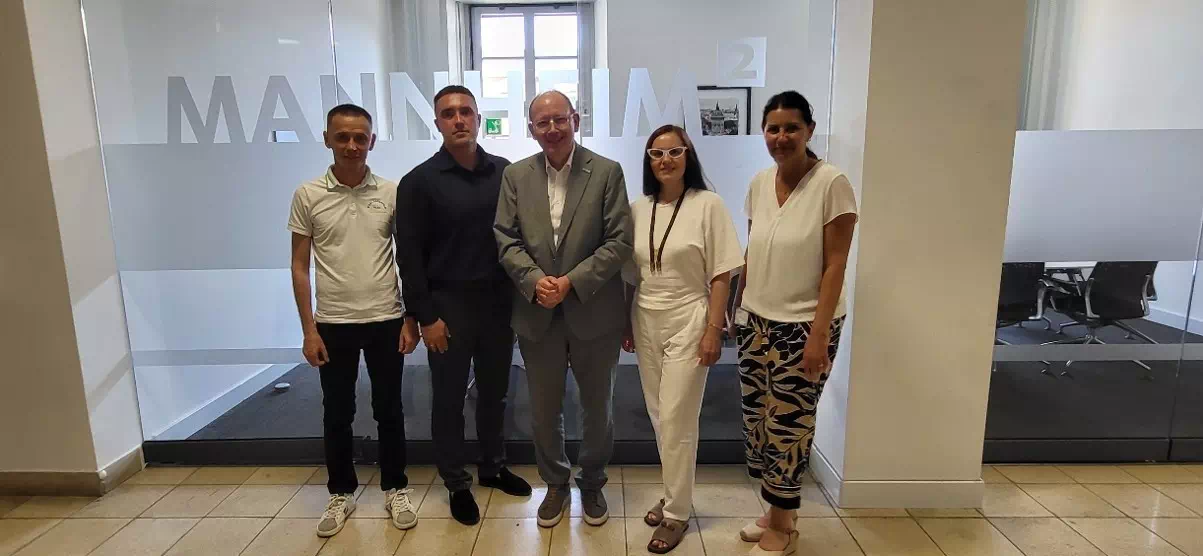
Meeting with Mayor Christian Specht,
Oleksandr Korchunov, Ihor Nikolenko, Christian Specht, Maryna Dranichenko and Judith Geiser
A Tale of Two Heating Systems
Mannheim runs Germany's fourth-largest district heating network, with 60% of households connected, and is now pushing heat pump adoption despite public resistance. Chernivtsi sits at the opposite end, with only 40% on the municipal network and most residents heating independently, a system tested hard by last winter's rationing. There, diversifying and interconnecting many boilers is also a security measure against attacks, unlike in Germany, where cost has traditionally outweighed such concerns.
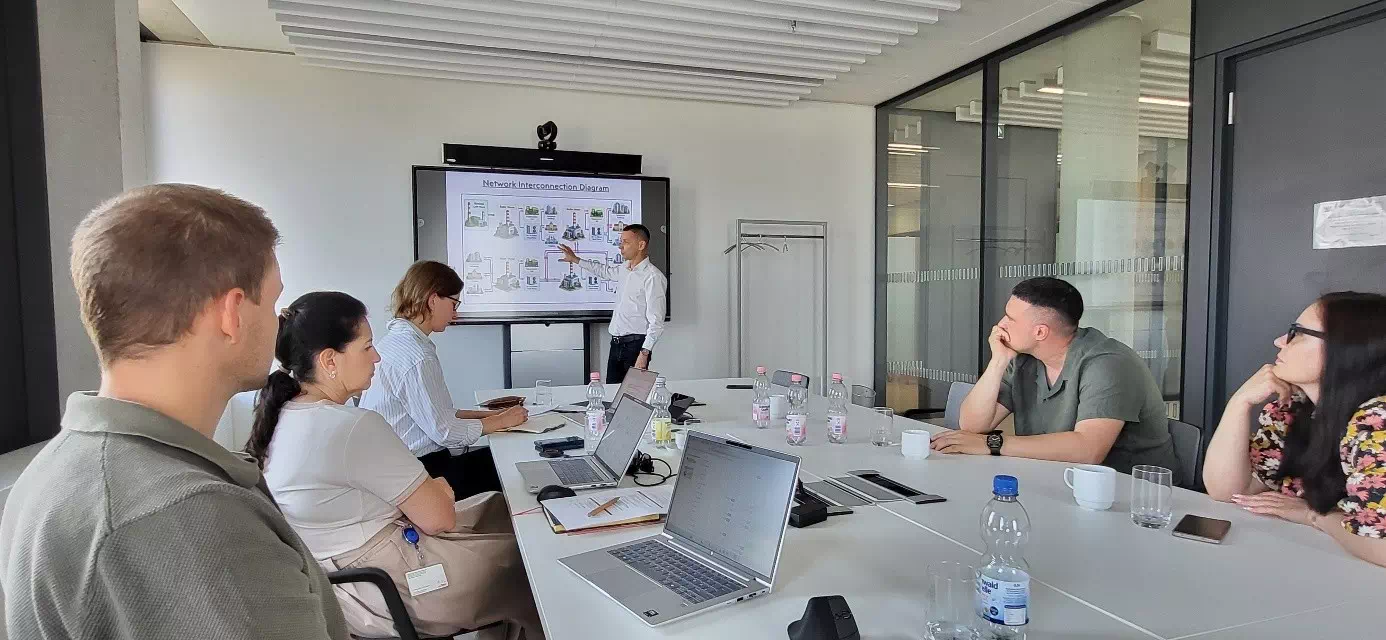
Meeting with Dominik Stroh
Tapping the Earth: Geothermal Energy
Mannheim expects geothermal energy to eventually cover around 20% of its supply, with Geohardt GmbH's first drilling starting late 2027 and a heat plant expected in the early 2030s; Vulkan Energy is separately pursuing lithium extraction from geothermal water in the north of the city. Chernivtsi sees strong potential here too, and both cities plan to keep collaborating through 2027–2028, with Chernivtsi tracking Mannheim's progress for practical lessons.
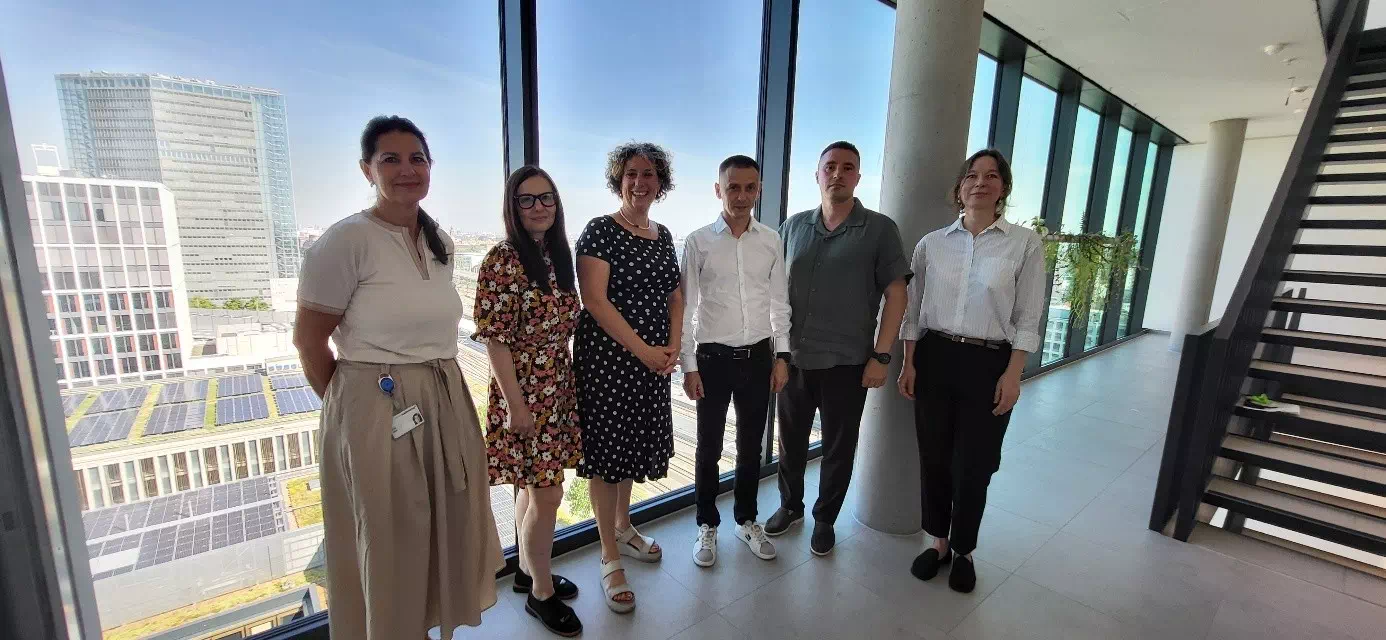
Meeting with Vice Mayor Diana Pretzell
Judith Geiser, Maryna Dranichenko, Diana Pretzell, Oleksandr Korchunov and Ihor Nikolenko
Waste, Biomass, and the Rivers That Power a City
Biomass, waste-to-energy, biogas, and river heat pumps were a major focus. Delegates toured MVV Umwelt's facilities and a biomass plant on the Neckar, including MVV Enamic GmbH's site, which turns cocoa bean husks from a nearby chocolate factory into thermal energy. Waste-to-energy already covers 30% of Mannheim's supply, with sludge treatment and phosphorus recovery coming in 2029. Chernivtsi can't yet do waste-to-energy due to limited sorting infrastructure, but a biomass cogeneration plant is already in planning, informed directly by what was seen in Mannheim.
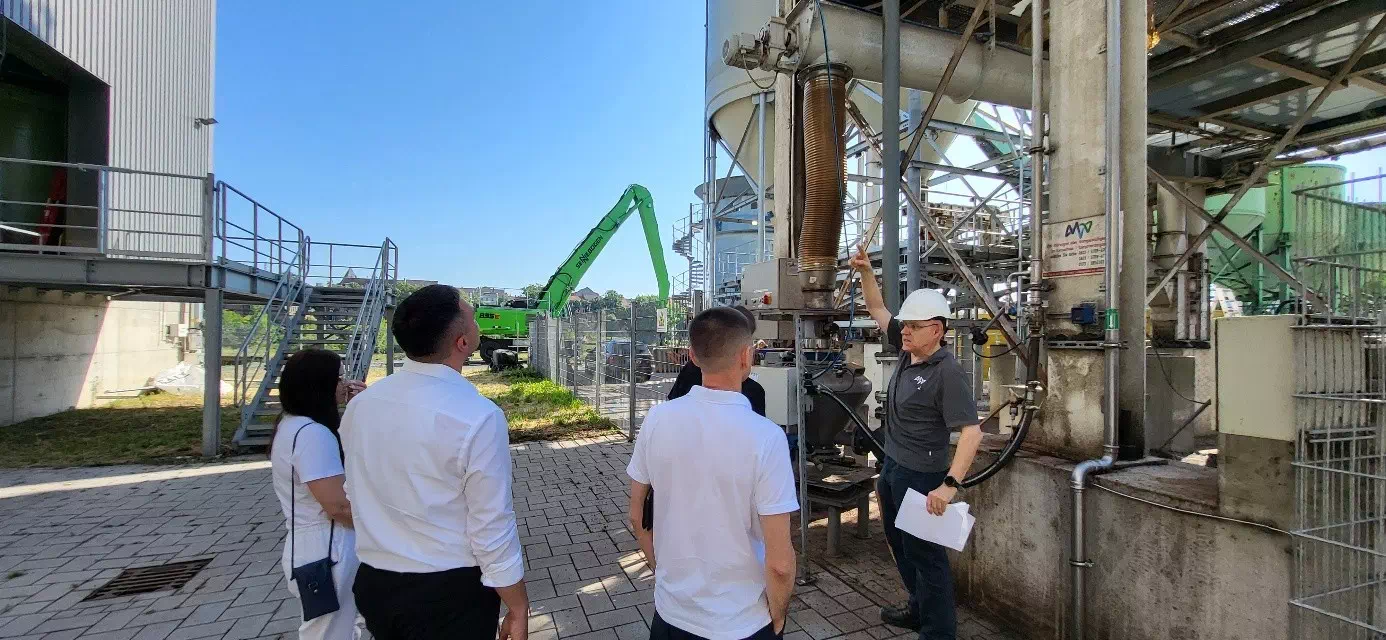
MVV biomass plant cocoa husks
A Model Apartment, Shared Across Borders
Mannheim's climate protection agency runs a model apartment where citizens and students can see, firsthand, practical ways to reduce their environmental footprint in daily life, from energy and water use to everyday consumption choices, helping turn climate protection into something tangible rather than abstract, and raising public awareness in the process. The concept has proven successful enough that the climate agency has agreed to share it in full with Chernivtsi's team, who will translate it into Ukrainian and adapt it for local use, with plans to bring it to a youth center and feature it at climate protection events.
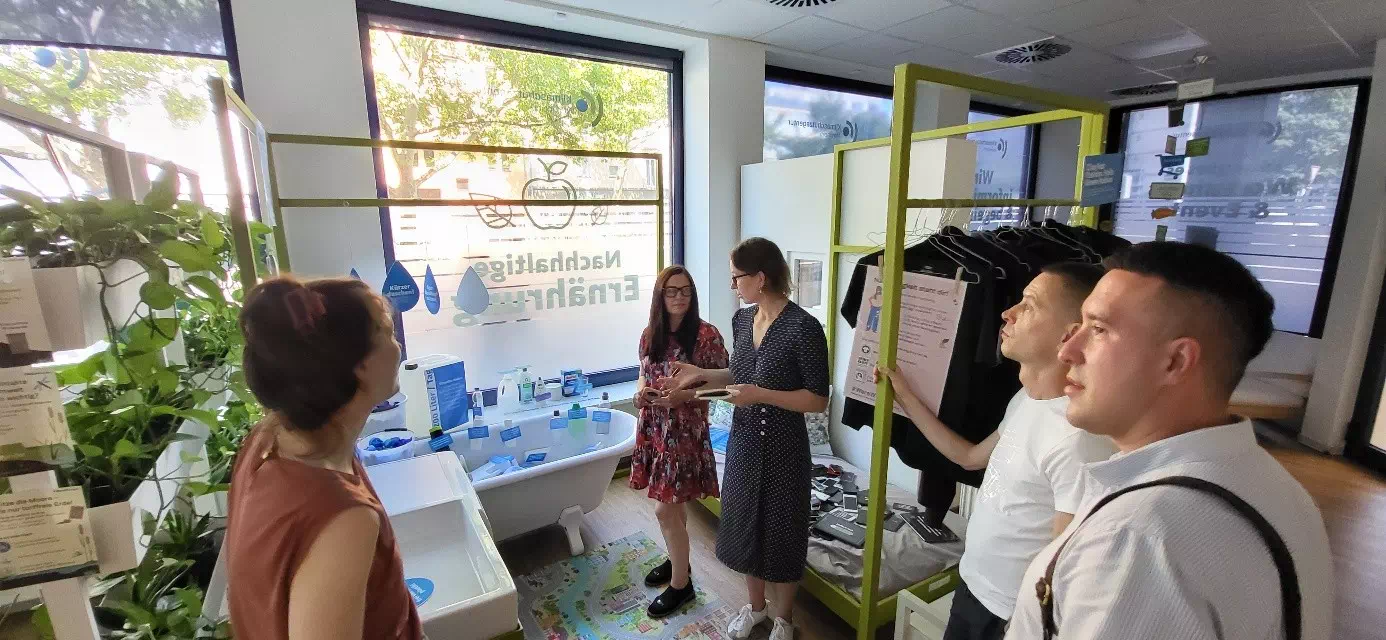
Side visit Climate Protection Agency
Universities as Climate Partners
University ties are also deepening: Chernivtsi's Yuriy Fedkovych National University shared its Carpathian climate projects and student-mentor model, and both cities' universities, already partners, are now focusing that cooperation specifically on climate protection.
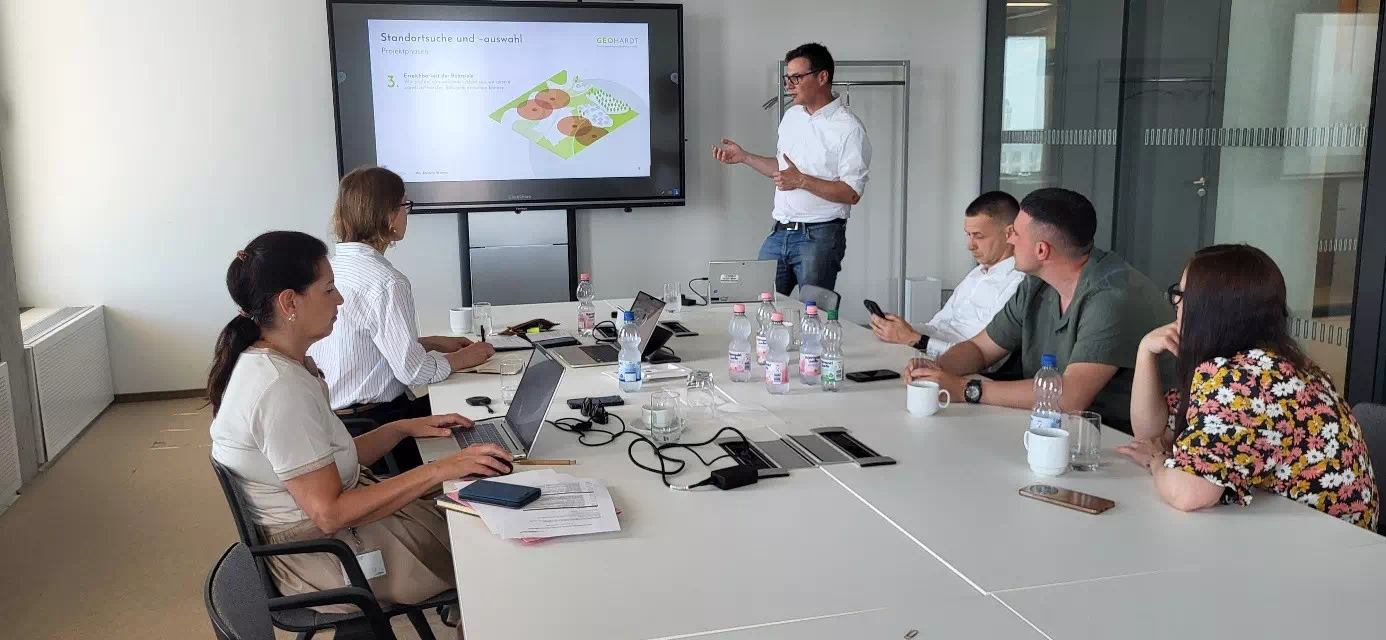
Meeting with Ron Zippelius
Hydrogen: Promising, but Not Yet a Silver Bullet
The Local Green Deal presented the Rhein-Neckar region's hydrogen strategy, anchored by BASF's electrolyzer (8,000 metric tons of green hydrogen a year) feeding the Friesenheimer Insel hub, plus a growing municipal hydrogen bus fleet. Demand still lags supply, and hydrogen currently competes with, rather than complements, heat-focused solutions like river heat pumps and geothermal. For Chernivtsi, it was a useful reality check on hydrogen's real near-term potential.
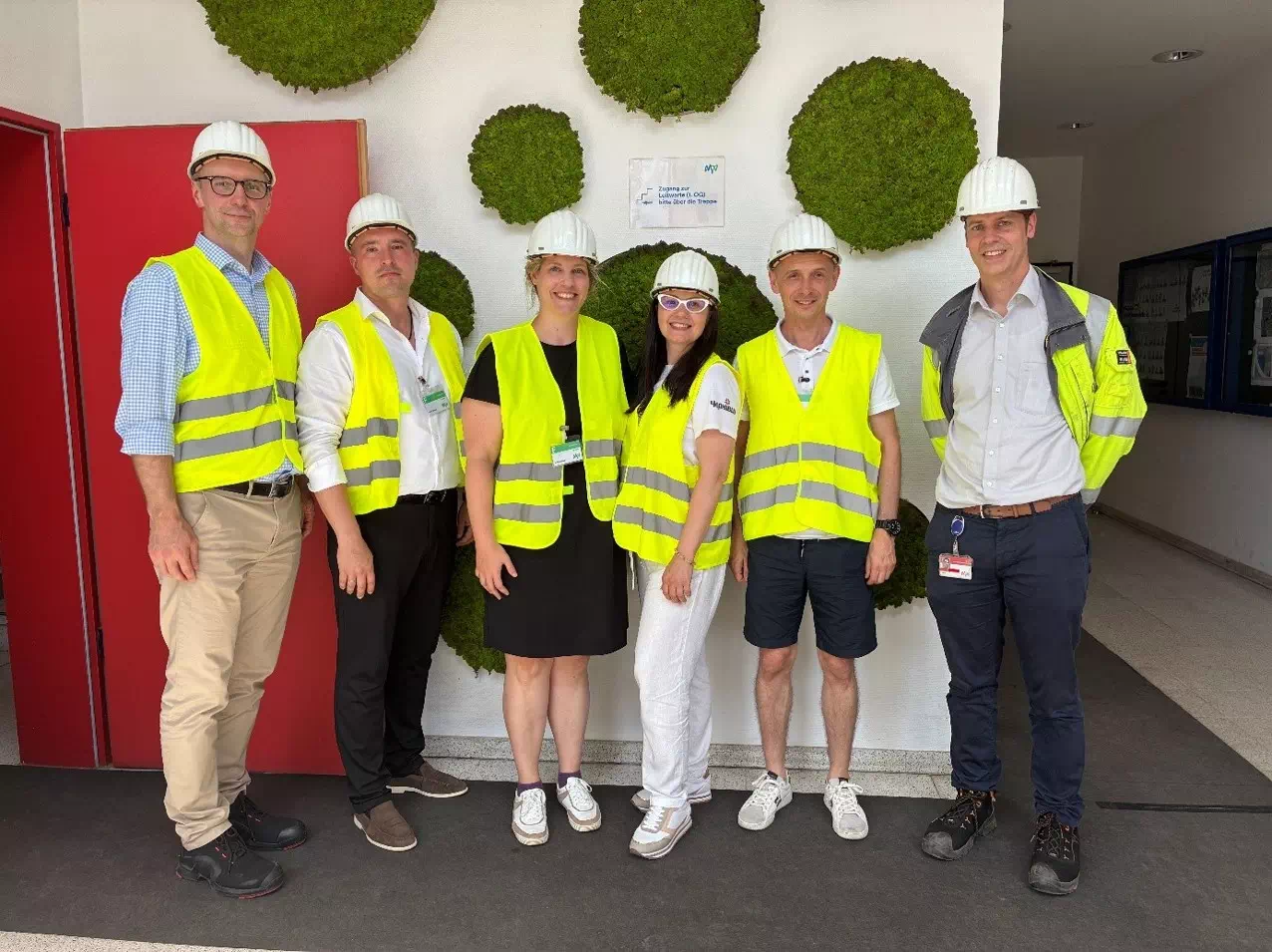
MVV Umwelt Friesenheimer Insel
Rebuilding and Reimagining Urban Space
Mannheim's urban planning department and the MWSP showed delegates Franklin and Spinelli, former U.S. military sites turned into major new districts for roughly 10,000 people, featuring car-free design, green corridors, and "sponge city" drainage. For Chernivtsi, already grappling with housing shortages from displacement, these conversion models offer a real blueprint for post-war reconstruction.
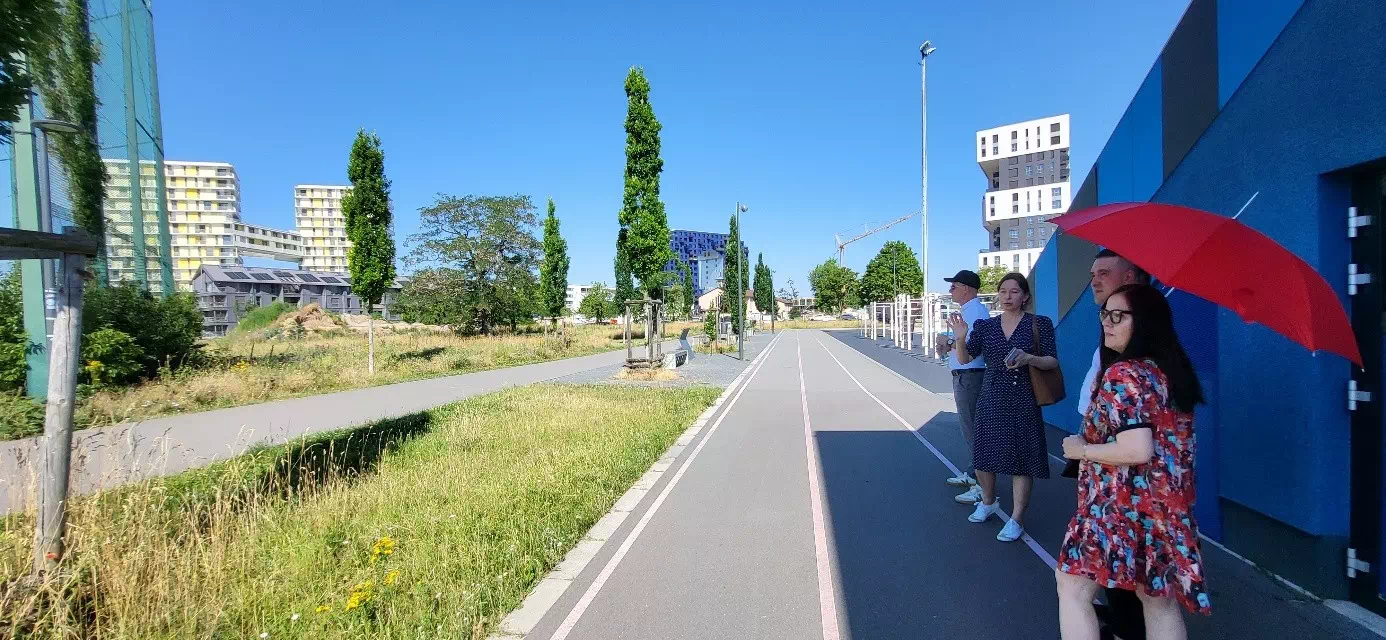
Side visit Franklin
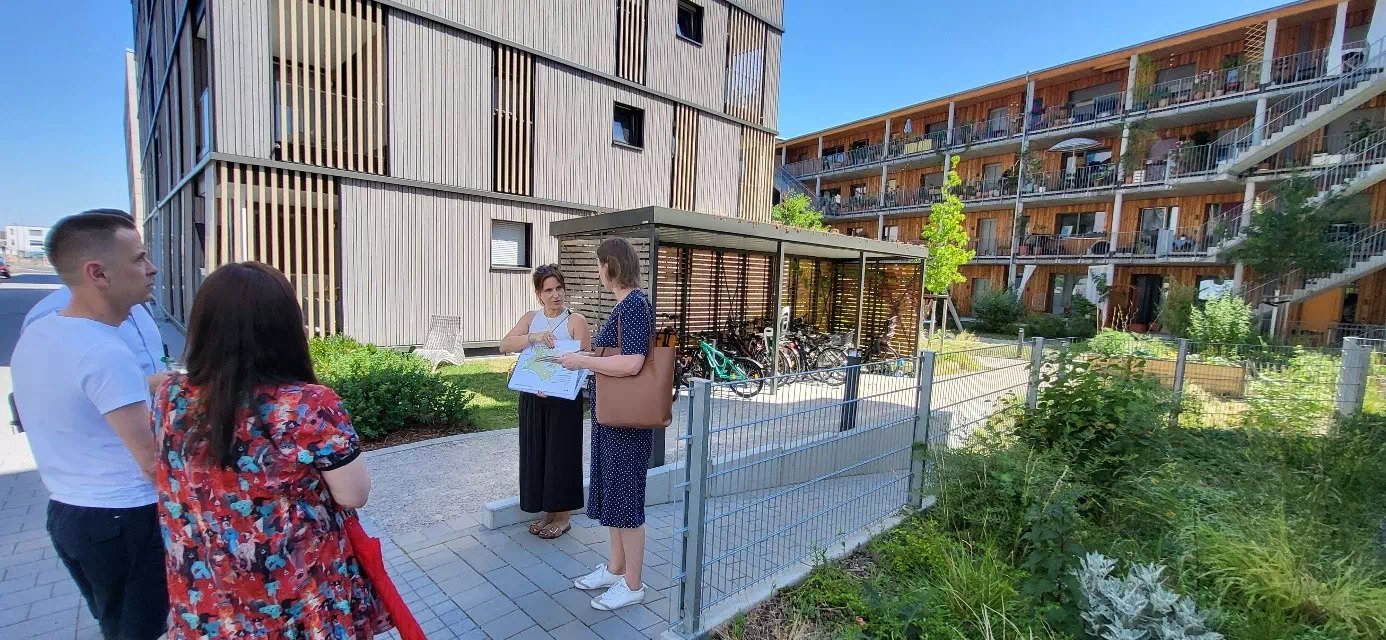
Side visit Spinelli
Looking Ahead
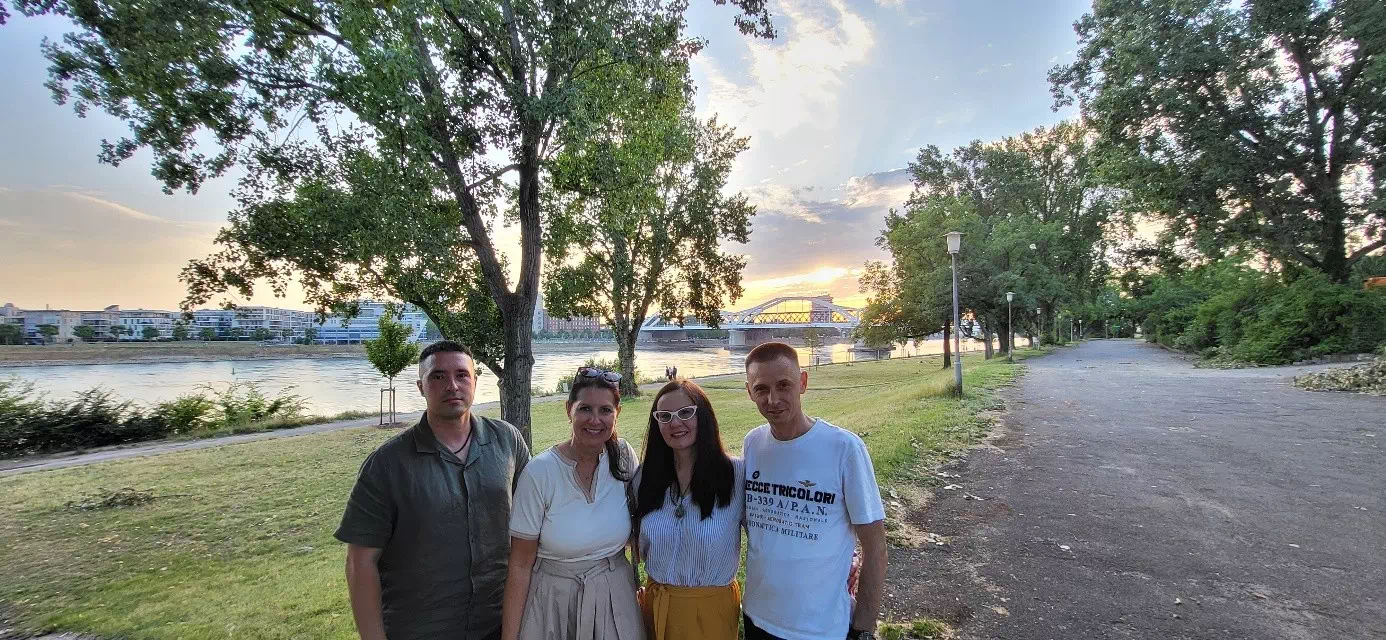
Ihor Nikolenko (Chernivtsi), Judith Geiser (Mannheim), Maryna Dranichenko (Chernivtsi) and Oleksandr Korchunov (Chernivtsi)
This exchange was a genuine two-way partnership: Mannheim brings infrastructure experience, Chernivtsi brings wartime-tested adaptability. Both cities have committed to further site visits, joint projects, and online meetings to keep turning shared knowledge into shared progress.